Theory U Through the Lens of Core Well-Being
Abstract
Theory U offers a profound framework for transformation, yet few practitioners reach the “presencing” state at the bottom of the U. This article explores why by examining Theory U’s inner dynamics through the Emotional Intelligence 3.0® Core Well-Being framework. We show how emotional safety strategies—protective patterns formed in childhood—create resistance to what is, blocking the open mind, open heart, and open will required to descend and ascend the U. We also identify two core beliefs about self-worth and self-authority that interfere with the transcendence necessary for genuine co-creative partnership with the larger system of existence. By understanding these internal obstacles and the pathway to what the model calls “system wholeness,” practitioners gain a roadmap for navigating the inner landscape that either enables or prevents true presencing and emergence.
Keywords
Theory U, Emotional Intelligence, Core Well-being, Presencing, System Wholeness, Emotional Safety Strategies, Emerging Future.
Table of Contents Show
Introduction: Theory U Through the Lens of Core Well-Being
Have you ever wondered about the lived experience of Theory U—not just the external process map, but the inner movements that must occur for it to work? The Emotional Intelligence 3.0® Core Well-Being framework offers precise language for these internal dynamics, revealing why the descent into presencing is so rare and what inner conditions enable it.
Understanding Theory U
Theory U, developed by Otto Scharmer, is a framework for deep change in people and organizations. Rather than leaping from problem to solution—a reflex that simply replays the past—it invites us to slow down, question our assumptions, and sense what is occurring within the wider system and within ourselves. It calls for an open mind, an open heart, and an open will. See Figure 1.
As we descend the left side of the U, we let go of old mental models and become more open in mind, heart, and will, allowing us to perceive our situation with fresh eyes rather than through habitual filters. At the bottom of the U lies “presencing”—a state of profound presence and connection to deeper purpose and to the “highest future possibility” that wants to emerge. From this deeper awareness, we ascend the right side of the U: crystallizing new ideas and intentions, prototyping them through small, rapid experiments, and then integrating what works into the larger system.
The core insight of Theory U is that the quality of the outcomes we create depends on the inner place from which we operate; enduring transformation comes from learning from the emerging future rather than merely from the past.
The Obstacle: What Keeps Us From Descending?
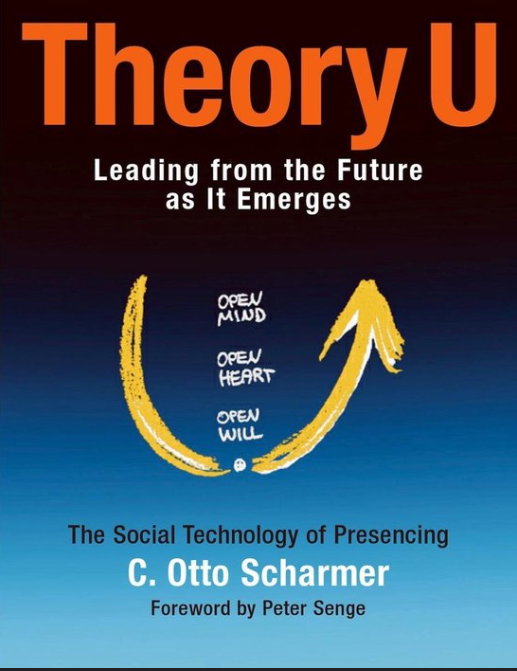
Figure 1. “Theory U” by C. Otto Scharmer
While Theory U outlines a clear pathway, relatively few people actually achieve genuine presencing in practice. The reason, through the lens of Core Well-Being, lies in “our own stuff about ourselves.”
As we descend toward the deeper essence of who we are—where presence resides at the bottom of the U—we encounter the contents of the metaphorical emotional well and often become entangled there, never reaching the bottom. These inner entanglements show up as emotional imprints and safety strategies that quietly block the open mind, open heart, and open will that Theory U requires.
The Emotional Well and Safety Strategies
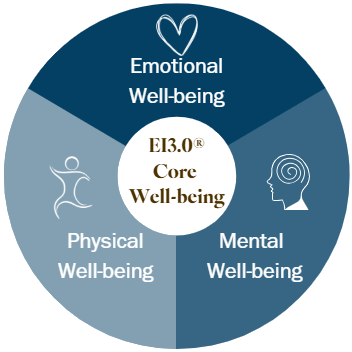
Figure 2. The Emotional Intelligence 3.0® Core Well-being Framework
The Core Well-Being framework, depicted in Figure 2, distinguishes between a fractured self and a whole self at multiple levels: emotional intelligence (where a person’s identity across physical, mental, and emotional domains is fractured), emotional wholeness (where the identity in the emotional domain is harmonized), and system wholeness (where physical, mental, and emotional identities are harmonized into coherence with the self and congruence with the system). Figure 3 depicts this development path.
Based on our research, approximately 80% of adults are working on developing or sustaining emotional resilience, 19% on developing or sustaining emotional balance, and 1% on developing or sustaining system balance.
The fractured self is caused by trapped energy in the emotional well—unmetabolized feelings, pain, and stress from past events locked in bodily memory. These childhood experiences create emotional imprints: feelings, pain, and stress from moments that were not fully processed, which then drive protective behaviors. When a perceived emotional threat arises in the present, these emotional imprints get triggered, activating our protective patterns.
These protective patterns manifest as three emotional safety strategies from the Emotional Intelligence 3.0® model: controlling by withdrawing, controlling by being better than, and controlling by helping.
Controlling by withdrawing says, “If I make myself small, I won’t be hurt,” shutting down will and participation.
Controlling by being better than says, “If I stay one-up, I can’t be exposed,” armoring the heart, and reinforcing judgment.
Controlling by helping says, “If I am needed, I will be safe and loved,” resulting in compulsive fixing.
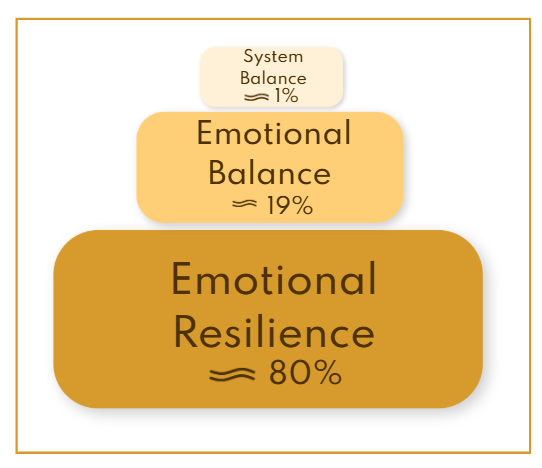
Figure 3. The Development Path
Stress triggers these strategies, specifically in those moments when there is a perceived threat to emotional safety.
These are beautiful protective patterns designed to keep you safe at a time when you lacked the resources, tools, or other capabilities to defend yourself against perceived threats. At four years old, they worked brilliantly. At forty, not so much. That is not a judgment—merely an observation of how the system operates.
Research on these strategies reveals that approximately 99% of the population has an active or influencing emotional safety strategy. These patterns create resistance to what is—the very resistance that prevents the open mind, open heart, and open will required to descend the U. In Theory U terms, these strategies keep us downloading from the past, resisting what is, and therefore unable to maintain the openness required to sense into what wants to emerge.
The varying degrees of maturity of the emotional safety strategies and their behavior patterns are captured across six performance profiles, culminating in a transcending profile in which these patterns are no longer unconsciously in charge. See Figure 4.
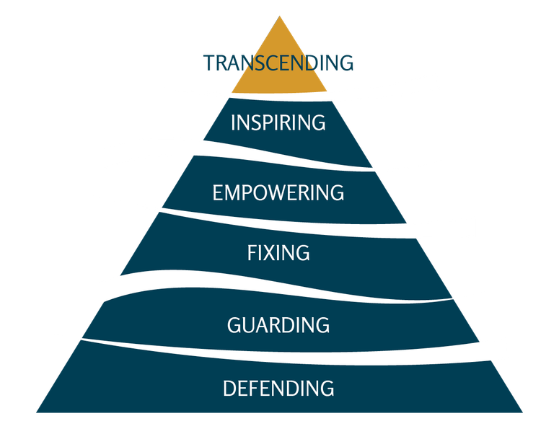
Figure 4. The Emotional Performance Profiles
The Core Beliefs Blocking System Wholeness
Even when these safety strategies have been transcended—meaning they no longer unconsciously drive behavior—there remains what the framework calls “muck at the bottom of the well.” This muck consists of two fundamental beliefs: “I am not worthy of love and belonging” and “I don’t get to choose how I love and belong.”
These distorted beliefs about self-worth and self-authority must be resolved to fully work the U. When they shift, something profound happens: you accept your emotional self as you are, without condition or comparison. That acceptance cascades into the physical and mental domains until you can accept your physical, mental, and emotional makeup just as it is, without resistance to any perceived limitation.
In the Core Well-Being framework, this state is called “system wholeness,” which manifests as the “transcending profile”—the sixth and final level in the progression of emotional wholeness. At system wholeness, your inner system is in coherence (aligned signals across physical, mental, and emotional domains) and congruence (your lived behavior matches your deepest knowing and aligns with the system).
Presencing as Partnership
Here is where the models converge beautifully: system wholeness creates the conditions for presencing. Without safety strategies to control and without core beliefs distorting self-perception, there is no veil between self and system. You are in full coherence with yourself and congruence with the larger system.
This is the ultimate partnership at the bottom of the U—a co-creative relationship with what wants to emerge. In this state, the “current self” and the “highest future self” that Theory U describes can actually meet, listen, and resonate without distortion. In this space of unconditional love, unrequited beauty, and pure observation, you perceive what wants to emerge through you. Paradoxically, at this high vibration, action itself may not be necessary. Your work might simply be to witness, to hold space, to allow.
The Ascent: Bringing Emergence Into Form
Once you understand what wants to emerge through you, you face a crucial question: What part of this emergence is mine to do? The answer may indeed be nothing, or it may be something specific.
To take aligned action, you must ascend the right side of the U. This requires something counterintuitive: translating the high-frequency, subtle awareness of presencing into forms and behaviors that other humans can actually perceive and engage with. This is why the frequency of love is so important: even if others are not operating at deep presencing, they can still recognize and feel love in your actions, which becomes the thread that carries emergence into everyday life.
For example, you may sense that what wants to emerge is a radically different way of relating inside your organization, but the part that is yours to do may be as specific as initiating one new practice of listening with an open heart in your team’s weekly meeting. As you travel back up the U, you modulate your frequency into something more accessible, more human, and then take action in alignment with what wants to emerge through you. You become a bridge between the highest future possibility and present reality.
Visual Mapping: Theory U and Core Well-Being
The map in Table 1 makes explicit how Theory U’s movements correspond to the Core Well-Being framework, emotional safety strategies, and system wholeness.
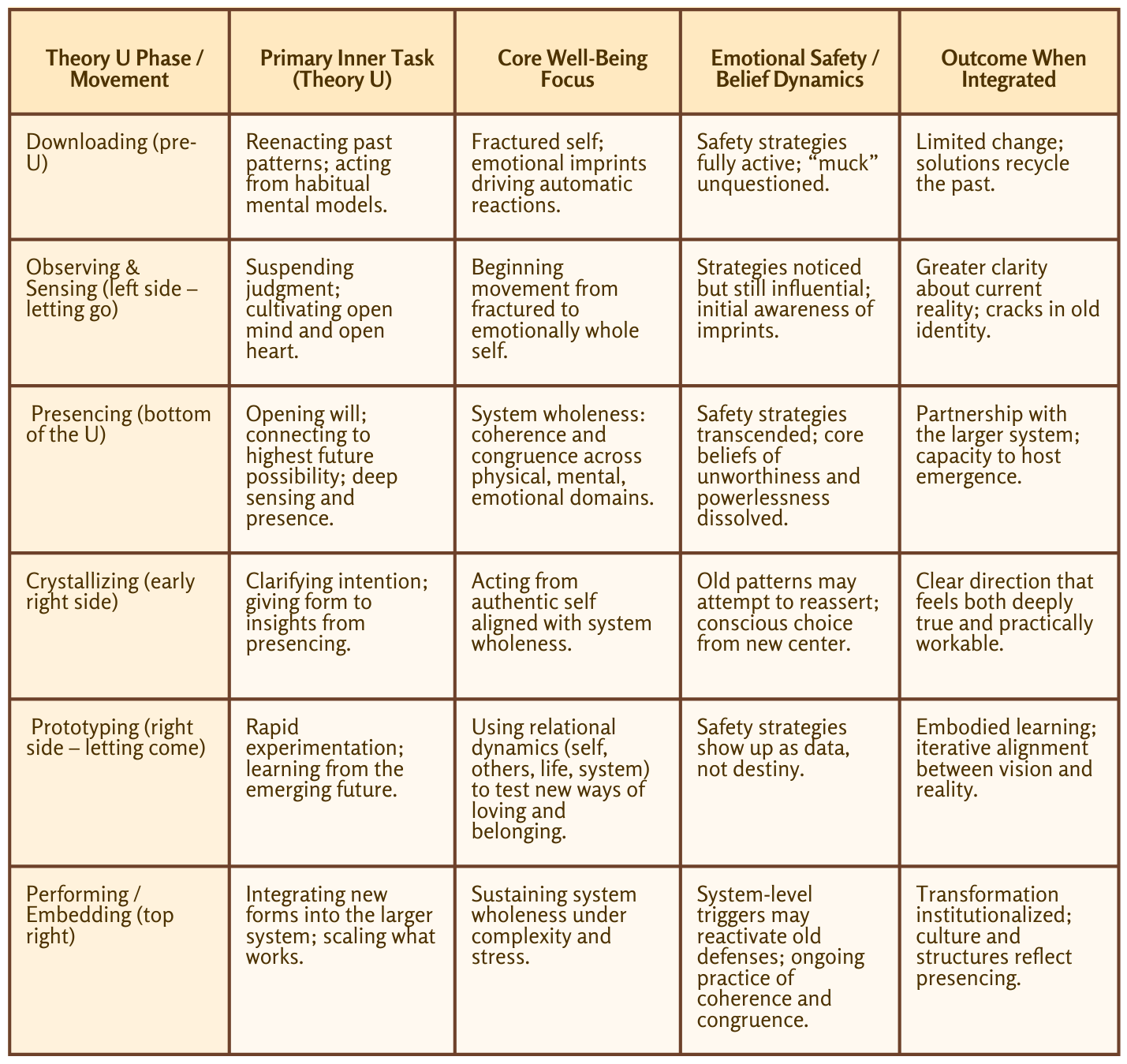
Table 1. Movements of Theory U and Core Well-Being
This mapping shows that Theory U is not simply a process model but a description of what becomes possible when the emotional well is cleared, safety strategies are transcended, and system wholeness becomes the inner operating state.
Conclusion
The rarity of genuine Theory U practice becomes understandable through the lens of Core Well-Being. The descent requires more than intellectual grasp of a model; it asks for emotional wholeness, the transcendence of childhood safety strategies, and the dissolution of core beliefs about unworthiness and powerlessness.
We can and do create constantly, yet we rarely create in true partnership with the larger system where the answers to our most compelling questions reside. The invitation is clear: the path to presencing is also a path to wholeness. By working through our emotional safety strategies and core limiting beliefs, and by fully accepting ourselves across physical, mental, and emotional dimensions, we create the internal conditions that make the descent possible and remove the veil between self and system.
Only then can we experience what Theory U truly offers—not as a technique to apply, but as a lived reality in which we become conscious participants in the emergence of the future, co-creating from presence, coherence, and love.